

This Week’s Playbook. Three problems that don't seem connected but all end the same way: families quietly disappearing. Pricing structures with hidden landmines that push families out before you know they were struggling. Coaches who know the sport but were never taught how to actually coach kids. Playing time policies that exist only in your head until a parent explodes about them. Each one creates friction. Each one erodes trust. Each one is fixable without more budget or more staff, just better systems and clearer words said out loud before they're needed. The programs that retain families aren't the cheapest ones. They're the ones where nothing feels like a surprise. Here's what's inside:
“When communication feels scattered, families feel tense. When communication feels predictable, they relax. That sense of stability starts with you.”
— Chad Henry, Signature Locker | Read more →
OPS & REVENUE PLAYBOOK
You're Not Trying to Price Families Out. But You Might Be Doing It Anyway.

Nobody sets out to create a "pay-to-play" barrier. You're not scheming about how to exclude families. You're trying to run a sustainable program. And yet, families are getting priced out. Not by one big decision, but by a dozen small ones that stack up: the $400 due upfront, the surprise checkout fees, the mandatory uniform refresh, the travel that wasn't mentioned at registration. The average sports family spent $1,016 per child in 2024, up 46% since 2019. Lower-income families participate at significantly lower rates, with "too expensive" as the top barrier. The issue isn't your registration fee. It's Total Cost to Participate. Ten mistakes that quietly push families away and the fixes that bring them back. Run the pricing equity audit this week.
Or add some other ops tools to your toolbox:
STAFFING AND COACHES
Most of Your Coaches Have Never Been Trained. Not Really.

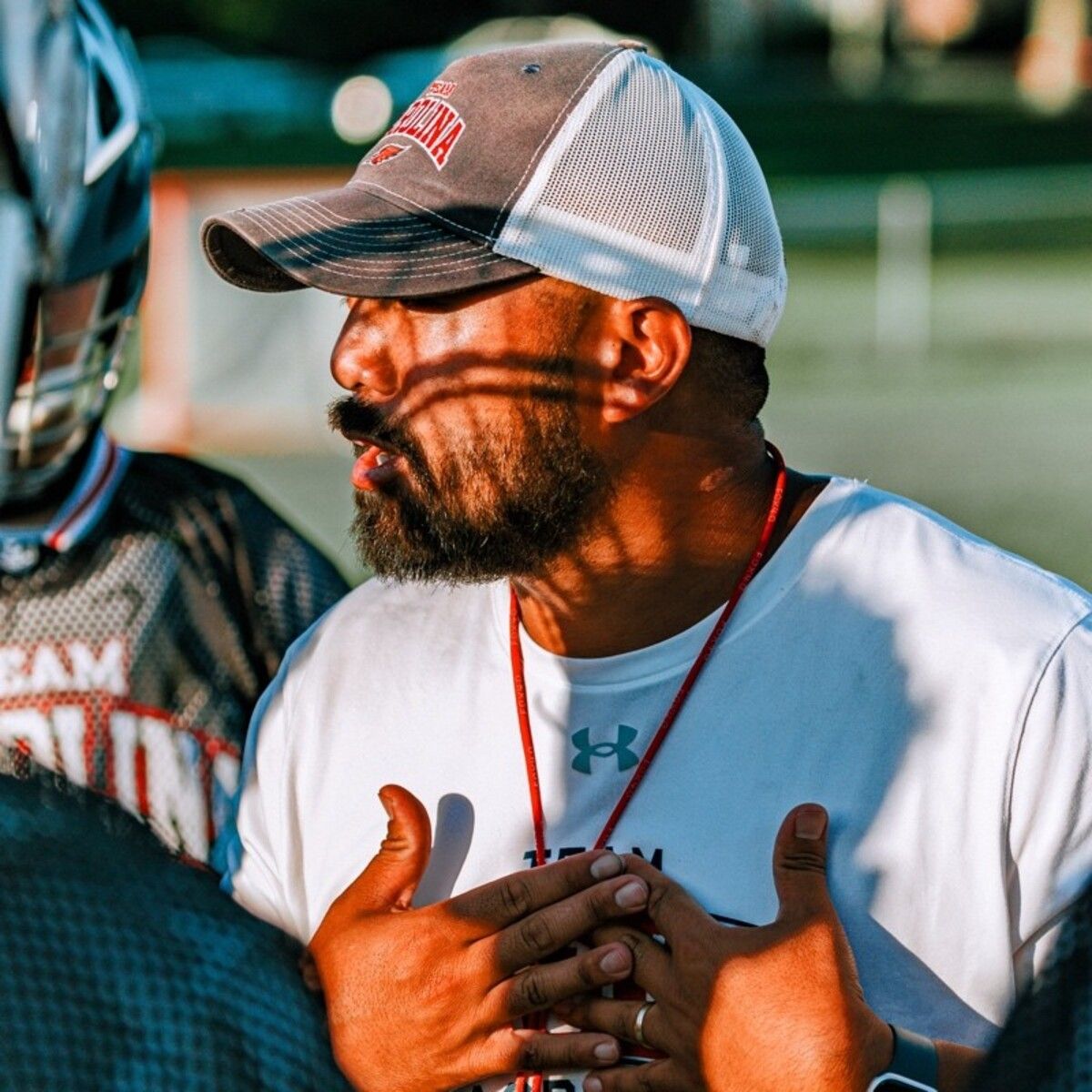
Fewer than one-third of the roughly six million youth sport coaches in the U.S. have ever received training in evidence-based youth development practices. Not tactics. Not drills. Training in how to actually work with young people. Most coaches enter the role with sport knowledge they picked up as players, fans, or from YouTube. That's valuable, but it's not the same as knowing how to build a positive environment, communicate without crushing a kid's confidence, or recognize when a young athlete is struggling. The gap isn't bad coaches. The gap is untrained coaches doing their best without the tools to do better. What a minimum viable training stack looks like, how to design it for volunteer reality, and the one quality control mechanism that changes everything. Start building coaches who can build kids.
Or check out more ideas for staffing and coaches:
PARENT AND COMMUNITY
"Fair" Doesn't Mean "Equal" (And That's Actually Useful)

Here's something that might surprise you: only 1 in 5 parents actually expect equal playing time. So why does it cause more parent blowups than almost anything else? Because the issue was never really about minutes. It's about the gap between what families expected and what they experienced. The Aspen Institute surveyed nearly 2,000 parents and found a consistent five-point gap between what parents think is fair and what they say coaches actually do. That gap is where every playing time argument lives. Parents don't demand equality. They demand clarity. A stated philosophy. Predictability. Visible good-faith effort. The four-category framework, the Playing Time Charter, the minimum-play floor, the substitution plan that survives close games. Close the expectation gap before it closes your season.
Or check out more ideas for staffing and coaches:
Share & Get Rewarded 🎁
Help other program directors discover this newsletter and unlock exclusive rewards.
For 10 referrals—Signature Swag Box ($100 value)
For 25 referrals—$250 Signature Athletics Gift Card
For 50 referrals—$500 Signature Athletics Gift Card
Have a great sports week,

Chad Henry and the Signature Locker Team
Thought Leaders
Follow our sport parents and athletes building the future of youth sports.

Follow Chad Henry, 10,000+ hours in youth sports as a program director, sport parent, college athlete and sales director

Follow Ricky Reyes, 10,000+ hours as a program director, coach and college athlete

Follow Maddie Soviero, 10,000+ hours as a youth sports coach, program director, league director, and camp director
Subscribe to Our Other Signature Media Newsletters

Subscribe to Sport Parent Survival Guide: Tips and tricks for sports parents navigating their family’s youth sports journey.

Subscribe to Youth Sports Investor Report: Sharp takes on where the industry’s heading, who’s deploying capital, and how we’re reshaping the market from the inside out.